
The method for rapid germination of crop seeds

Views : 4048
Author : SINCORE Lighting - Sunny
Update time : 2021-11-27 15:02:27
Treat to Speed Germination
To speed germination, some seeds need special treatment. When left to their own devices, morning glories (Ipomoea purpurea) germinate in five to 21 days. To speed up the germination process, first nick the hard outer coating with a knife or use an emery board to scuff it up. Then soak the seeds overnight in warm water before planting in full sun. When pre-treated before planting, the seeds germinate in five to seven days if planted in soils ranging from 65 to 85 degrees.

Beans (Phaseolus vulgaris), squash (Cucurbita spp.), Swiss chard (Beta vulgaris) and other large seeds also benefit from soaking in warm water. You can add a drop of vinegar to the water to increase its effectiveness. Soak the seeds overnight, or up to 12 hours. Alternately, you can put the seeds on a wet paper towel, then into a plastic bag so they can absorb the moisture. Plant immediately after soaking.


The seeds of the apple (Malus domestica), hardy in USDA zones 3 through 9; lavender (Lavandula spp.), hardy in zones 5 through 9; and snapdragon (Antirrhinum spp.), hardy in zones 7 through 10; are among those seeds that need a period of cold temperatures before they germinate. Oregon State University Malheur Experiment Station explains that vernalization, also called stratification, mimics winter temperatures. After chilling, the seeds are stimulated by the warmer temperatures to germinate. Mix the seeds in lightly moistened sand, peat moss or vermiculite in a resealable plastic bag; then label and store them in the refrigerator for two weeks to three months, depending on the species, before planting the seeds.

Give the Seeds Light
Some seeds need to be exposed to light to germinate. In general, these seeds are tiny. In their natural habitat, they are usually spread by falling to the ground from the parent plant's flowers or decomposing fruits. Perennials like balloon flower (Platycodon grandiflorus), hardy in U.S. Department of Agriculture plant hardiness zones 3 through 8, and annuals like lettuce and summer savory (Satureja hortensis) are among the species that need light to germinate.

While the seeds need light, consider covering them with a bare sprinkling of vermiculite or coarse sand, so they don't blow or wash away. Put the seed-starting tray or pots in bright, filtered light, or plant the seeds outdoors in full sun. Mist the seeds regularly with water so they stay evenly moist as they germinate.

Though many plants germinate within a week to 14 days, some take significantly longer. Balloon flowers require 21 to 30 days to germinate at 65 to 70 degrees. Summer savory varies in its germination rate. This heat-tolerant herb may take seven to 14 days or longer before seedlings appear. It germinates fastest when the soil temperatures are between 65 to 70 degrees.


How to germinate seeds to get best results when growing tomatoes from seeds?
1. Moisten a single paper towel sheet or paper napkin. Paper should be damp but not sopping wet.
2. Sprinkle tomato seeds on paper towel so they are not touching. Seeds will adhere to paper. Use only one variety of tomato seed per roll. If you’d like to pre-sprout just a few seeds of one variety, tear the paper towel into smaller sections.
3. Starting at one end, roll the paper towel or napkin loosely in cylinder-fashion.
4. Place the rolled paper towel into a zipped plastic bag.
5. Label the bag with tomato variety and date.
6. Place bag in a warm place away from drafts, such as on the top of the refrigerator or stereo. Or use a seedling heat mat.
7. Check the seeds a couple of times each day for germination. Carefully unroll the paper cylinder and look for the root emerging from the seed. Some seeds germinate within 24-48 hours. Other varieties, especially smaller varieties and those suited to grow in containers, take longer to sprout – as much as 10-14 days.
8. As soon as the seed’s tap root emerges, plant your germinated seeds.
9. Plant your germinated seeds in seed cell trays within 12-24 hours of sprouting. Be careful to not allow the seed’s root to grow too long while still in the paper towel, or the root will penetrate the paper and be difficult to manipulate without breakage. Once the root is broken, your seed will no longer be viable.


To find a special tool for cloning seedlings led grow light which can help you build your own farm more efficient and easier.

 
Related News
Read More >>
Can ordinary LED lights be used as plant lights? Can ordinary LED lights be used as plant lights?
Aug .09.2022
Ordinary LED lights can illuminate plants, but the effect is not good. Plant growth, from photosynthesis to the production of nutrients, requires different wavelengths of spectral illumination at each time period, that is, the full spectrum of sunlight.
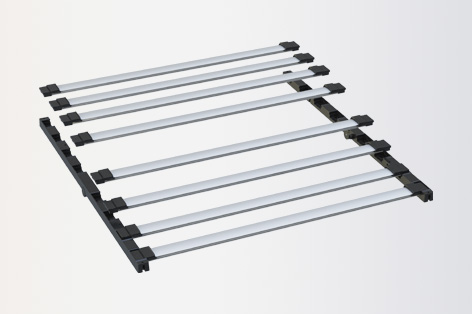
The development trend of LED plant lights The development trend of LED plant lights
Aug .09.2022
In traditional agricultural production, ordinary electric light sources are generally used to supplement light and agricultural technical measures such as the application of different covering materials are used to achieve rapid growth of plants to meet people's living needs.
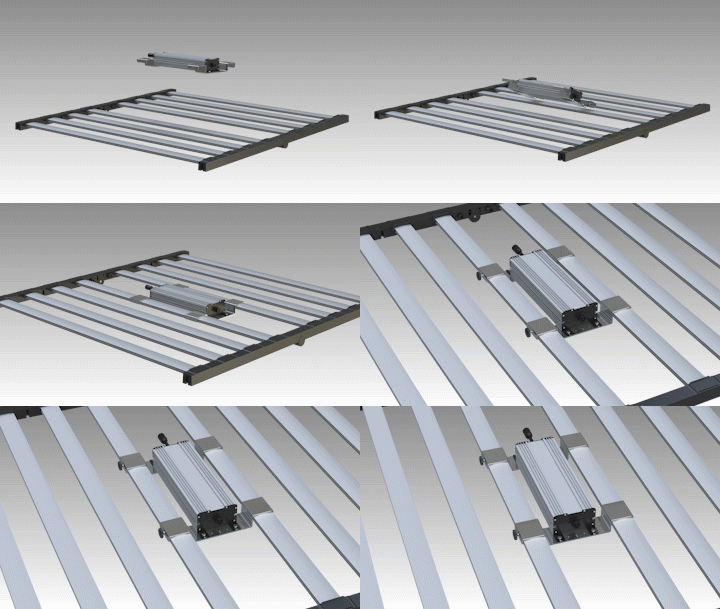
LED Grow Light Market Prospects LED Grow Light Market Prospects
Aug .06.2022
Not long ago, Taga City, Miyagi Prefecture, Japan publicly demonstrated the world's largest LED (Light Emitting Diode) artificial light plant factory to the media. The factory, called "Future Hata", covers an area of ​​about 2,300 square meters and uses 17,500 LED lights.
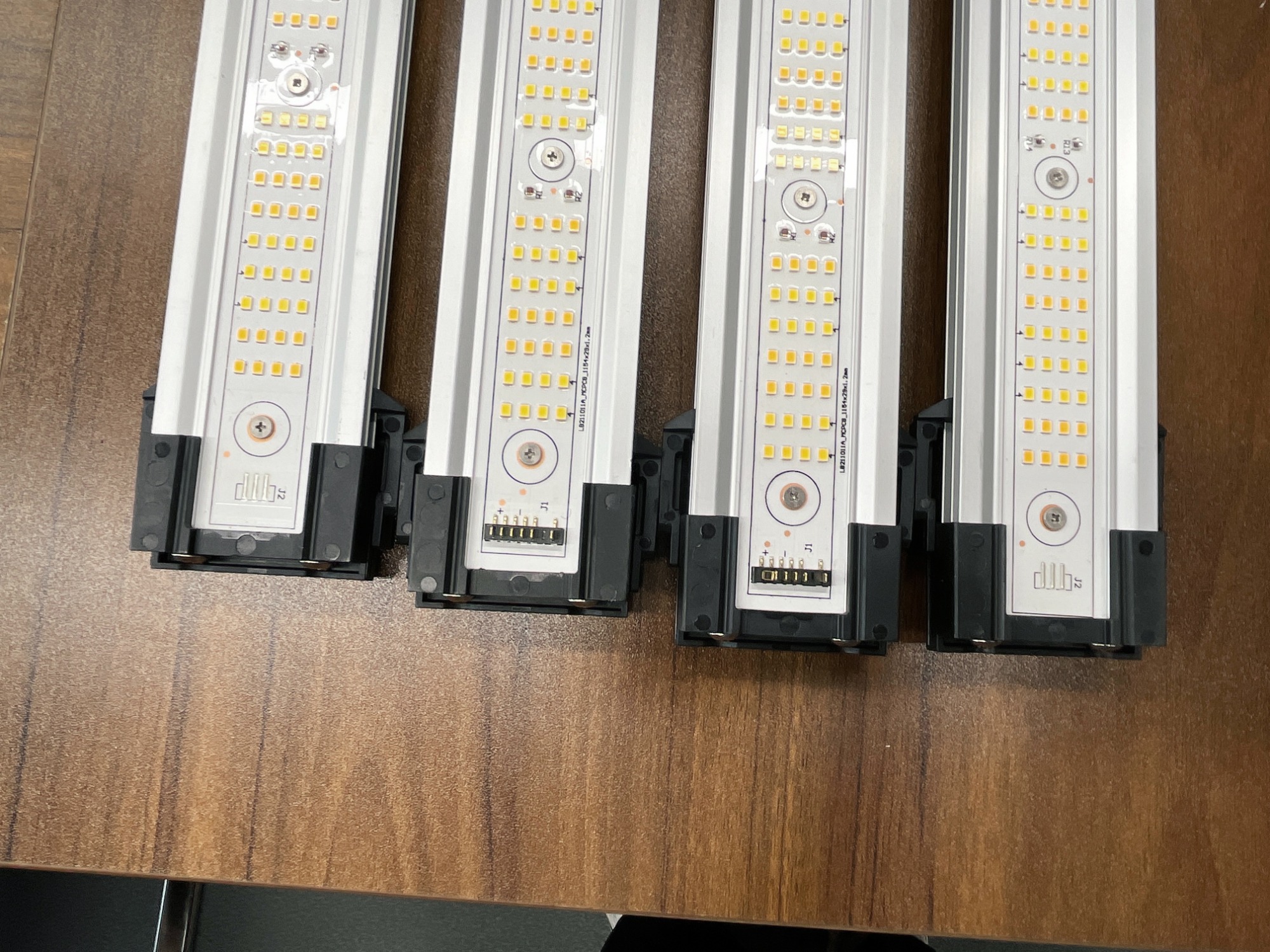
The effect of photosynthesis on plants The effect of photosynthesis on plants


Aug .05.2022
Photosynthesis is the process by which plants use light energy to convert carbon dioxide and water into carbohydrates. Photosynthesis is the basis for the survival and development of life on earth. Light is the energy source of photosynthesis, and it is also a kind of signal information that controls the light quality, light intensity and photoperiod of plant development. Light is also an important environmental factor affecting the production of facility crops.