Before talking about LED plant growth lights, it is necessary to understand the development history of the LED plant lighting industry and LED plant lighting companies in the past ten years.
The research and development and application of LED solid-state light sources are first carried out in foreign countries. The cost of LED light sources at the beginning of development is very high, and the natural price is also very high. It is not realistic for large-scale commercial use. Japan was the first to use LED light sources for plant cultivation research. Since then, NASA has used LEDs for the lighting of closed life support systems such as space bases. Since the 1980s, developed countries have started the feasibility study of LED light sources as light sources for plant growth. In the mid-1990s, LEDs were used in plant research facility cultivation. In the early 2000s, commercial LED plant lighting fixtures appeared. Around 2010, LED red and blue plant lighting devices developed into the mainstream and were used in plant factories and other production fields.
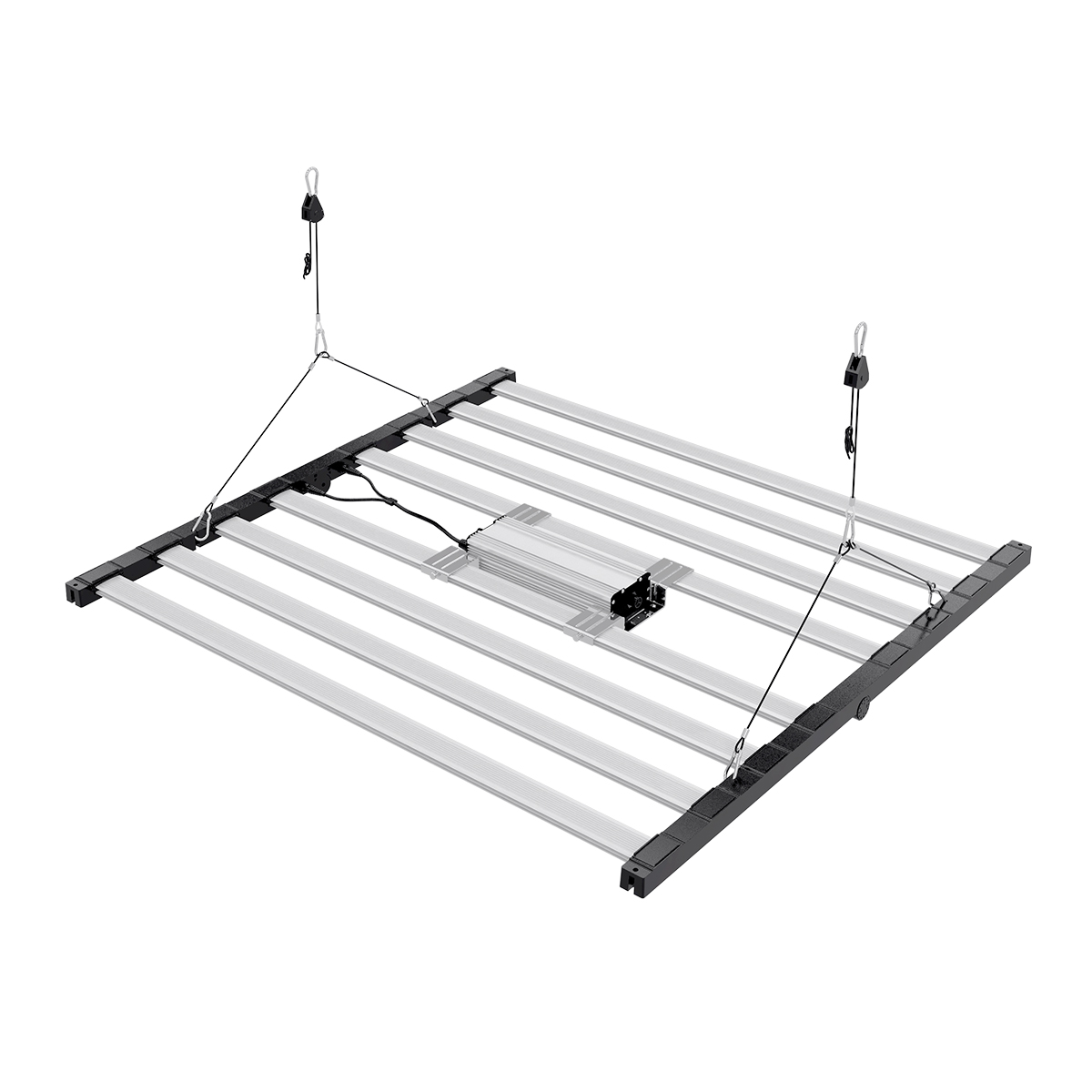
Sincore Lighting can be regarded as one of the first companies in China to invest in the research and development and production of LED plant lighting products. At first, the lamps used for plant lighting were fluorescent tubes. Around 2010, LED red and blue plant lighting fixtures appeared, but the cost of LEDs was not "close to the people". The actual use of LED red and blue plant lighting for lighting is generally carried out by government demonstration projects, laboratories and overseas planting customers. The acceptance of LED plant fill light by farmers is still very low.
The LED red and blue plant light uses a ratio of red and blue lamp beads, mainly because a single LED chip cannot maturely "integrate" light of different bands on the same chip. Since 2013, LED chips and packaging processes have become more and more mature, and full-spectrum LED plant growth lights have begun to appear in the market, but the market's response has been tepid, due to expensive lighting costs, electricity costs and crop output. The proportion and the limited level of my country's agricultural modernization development, LED plant growth lights have a low acceptance in China, and LED plant lights are also used abroad for the cultivation of vegetables and fruits in modern vertical farms.

The turning point appeared from 2018 to 2020. The industrial planting market has been gradually liberalized in North America, and some other countries will also put the release of industrial planting on the agenda. Industrial planting such high economic value-added crops "endowed" plant growth lights with new The life of industrial planting lamps has become hot, and many domestic lighting companies have entered the market.
The TPO company counts FIuence, which was acquired by Osram. Through repeated experiments and comparisons, a lamp bead ratio solution that is most effective for planting is found - Osram's red (660nm) high-efficiency white (301B). Gradually, the market recognizes such a spectrum scheme, and the general lighting companies that enter the market think that the use of such a scheme is a plant lamp. Is that actually the case?
Is it true that we can't make good grow lights?
Sincore Lighting conducted a small-scale supplementary light planting experiment as early as when LEDs were mature, and successfully planted leafy vegetables, flowering and fruiting, and fruit and vegetable common crops in a darkened darkroom environment through different spectrum combinations. The growing period of crops under controlled water, temperature and light conditions indoors is 15%-30% shorter than that in the outdoor environment. Although the domestic market response was relatively slow in 2018 when industrial plants began to erupt, Sincore still developed an industrial planting lamp with independent intellectual property rights and design patents with the cooperation of domestic chip factories and packaging factories.

Compared with the traditional plant planting supplementary light scheme, the advantages of LED are obvious. Industrial planting will inevitably carry LED plant growth lights for a period of time, but the heat will fade, and LED plant lighting will still fall into the hands of down-to-earth companies.
 Can ordinary LED lights be used as plant lights?
 The development trend of LED plant lights
 LED Grow Light Market Prospects
 The effect of photosynthesis on plants

Mobile official website