For industrial plants growers, one of the most common questions is; "Which type of LED grow light should I look for?"
I have been constantly experimenting with new LED lights in order to have a real sense of what is on the market. Buy, I don’t want to sell it to you on any brand. What I want to say now is what you should pay attention to before investing real money in buying LED plant lights.
LED chip
You always want to look for a chip with at least 3W. Any chip smaller than 3W can't provide enough consistent light coverage for your plants. This means that each chip needs to be 3W instead of 3 lights of 1W LED, so please pay attention to this when reading the instructions. 3W chips provide the best quality in white, blue and red.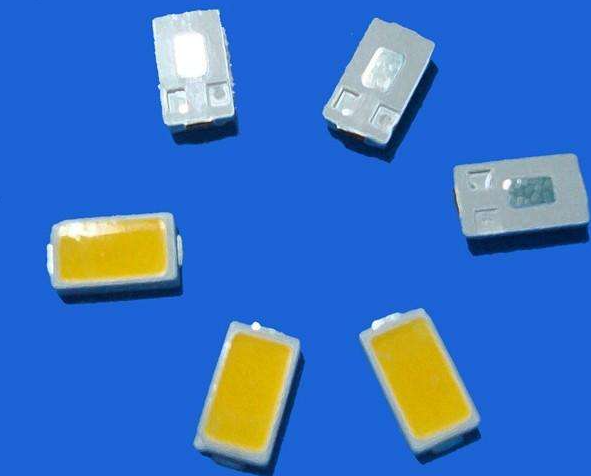
power
This is also important; you want to read the product description to get the total output. How many units does the lamp claim? It can be 300W, 400, 600 or even 1000. Always check the output and look for at least 300W.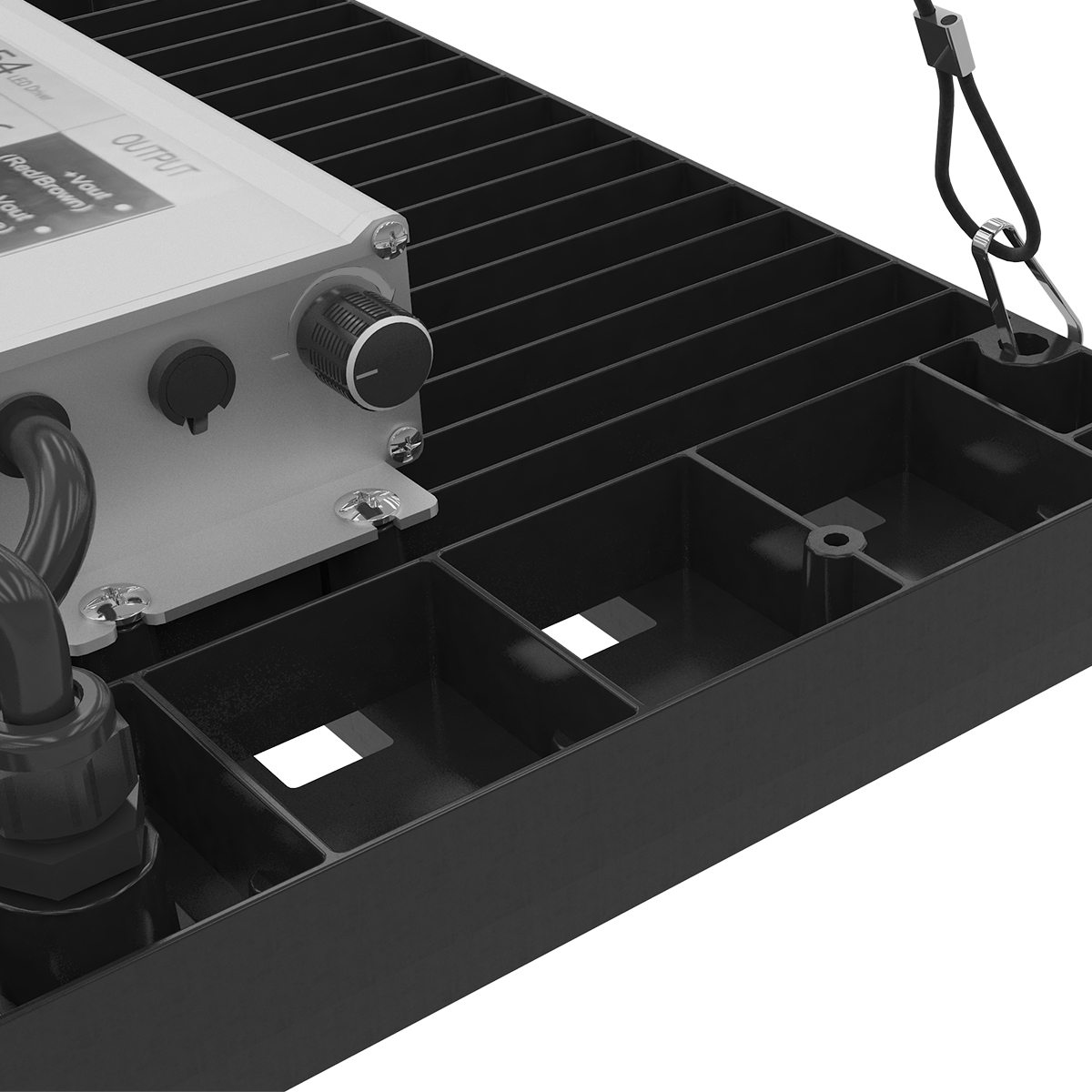
Understand that when it comes to LEDs, you can't always get 100% power, so the final wattage is usually less than the recommended, and regardless of the quality, the chip will always burn out, so the wattage The higher you can also compensate for the loss of wattage.
spectrum
Remember that when growing industrial plants, red, blue and infrared are also important, so you have to stick to the ideal PAR value. Look for blues in the range 440-470nm, and the tear range is between 640 and 660nm.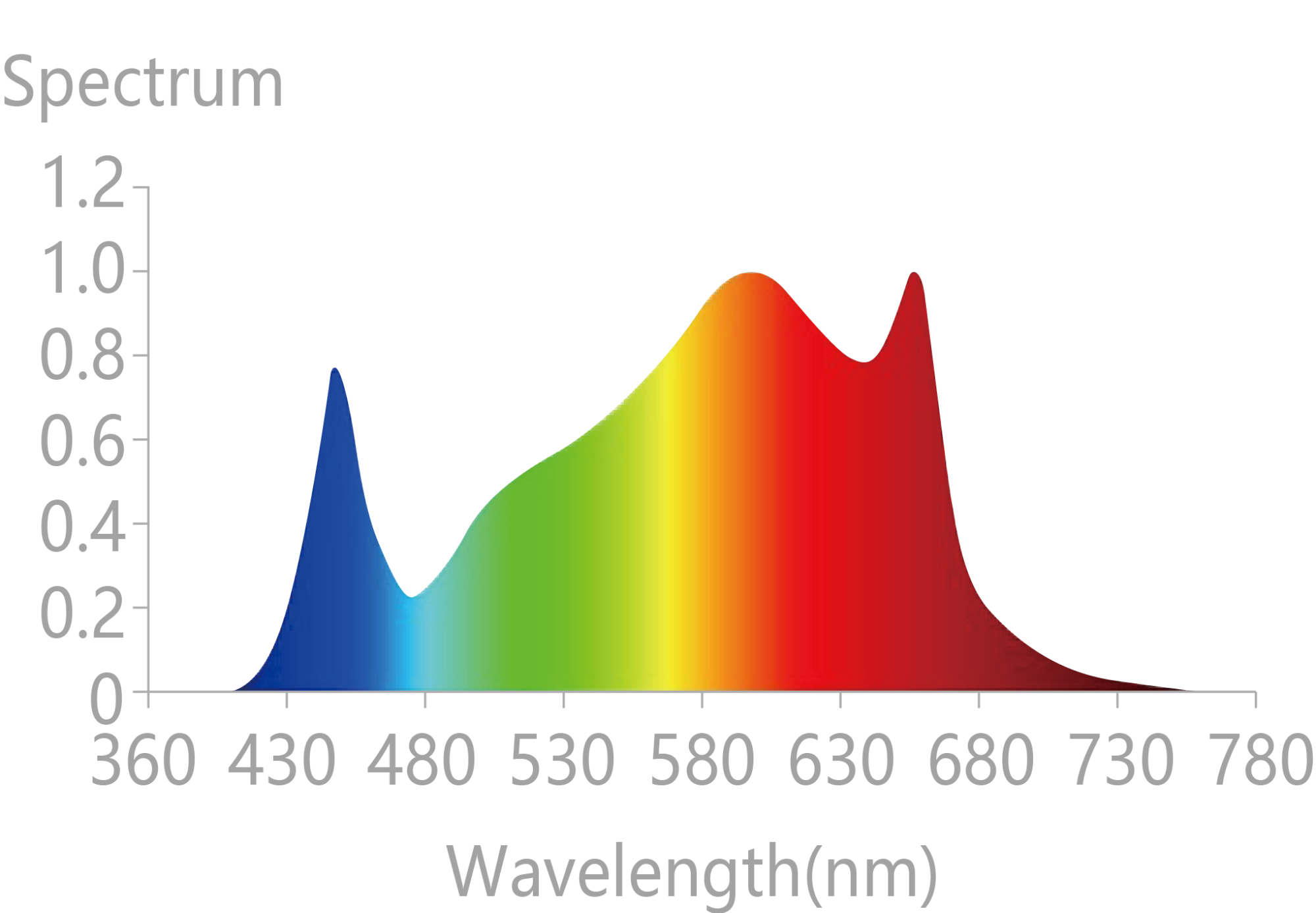
(Customized spectrum for plants cultivation)
Heat dissipation
These lights stay on most of the day, usually 15 hours at a time, so you want to make sure they have an internal fan to protect the lights and a fan to protect the plants. If it is too hot, it may damage the plants.
LED lamps operate at a lower temperature than HPS bulbs because they only emit about 15% to 25% of their energy as heat, but the heat occurs behind the LEDS bulb, so this area needs to be protected. The exterior or interior area of the high-quality lamp will have a thick aluminum heat sink to take the heat away from the chip.
material
The LED should have a warranty, preferably one of 5 years. In fact, the service life of LEDs of this nature is about 5 years, especially in some more expensive panels. Look for panels made of aluminum, steel, or materials that are not easily broken.
Warranty
As mentioned earlier, looking for a lamp with a warranty of more than one year, the LED has a lifespan of up to 10 years, so I am a little skeptical about manufacturers who only provide a one-year warranty, because this shows that the manufacturing cost of the housing or cable system is low. I usually expect a 3-year warranty on the parts.
In any case, the parts guarantee will be better, because no matter which part needs to be replaced, the bulb will continue to work. You can easily replace it yourself when the missing part arrives, while your plants can still get the nutrients they need.
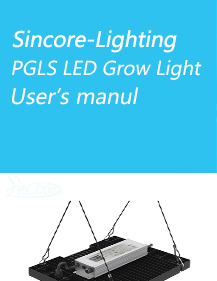
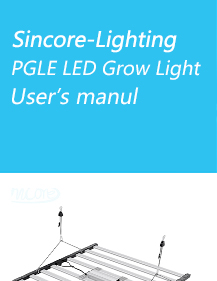
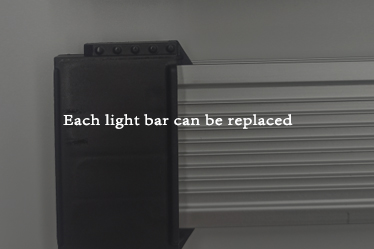
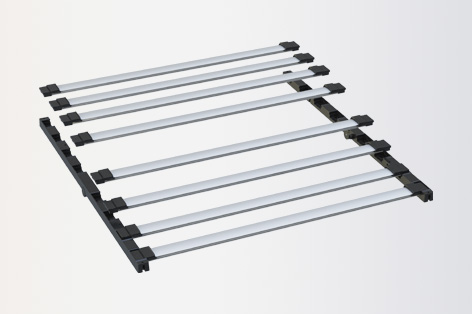
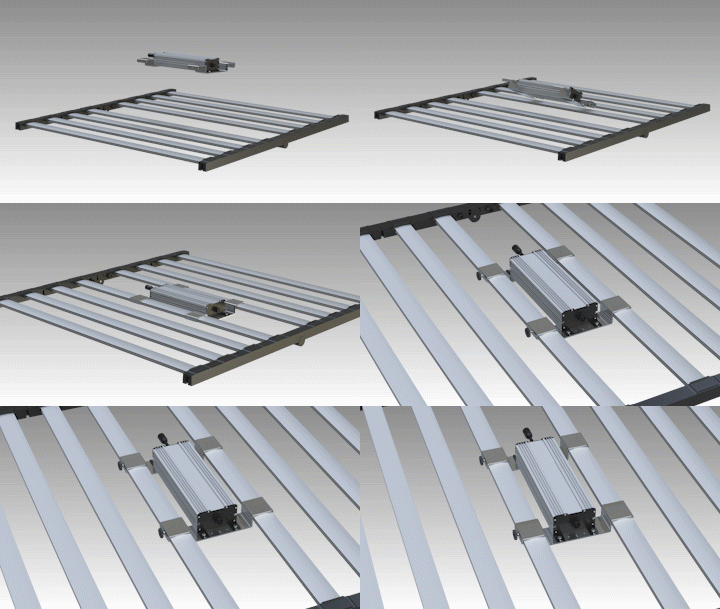
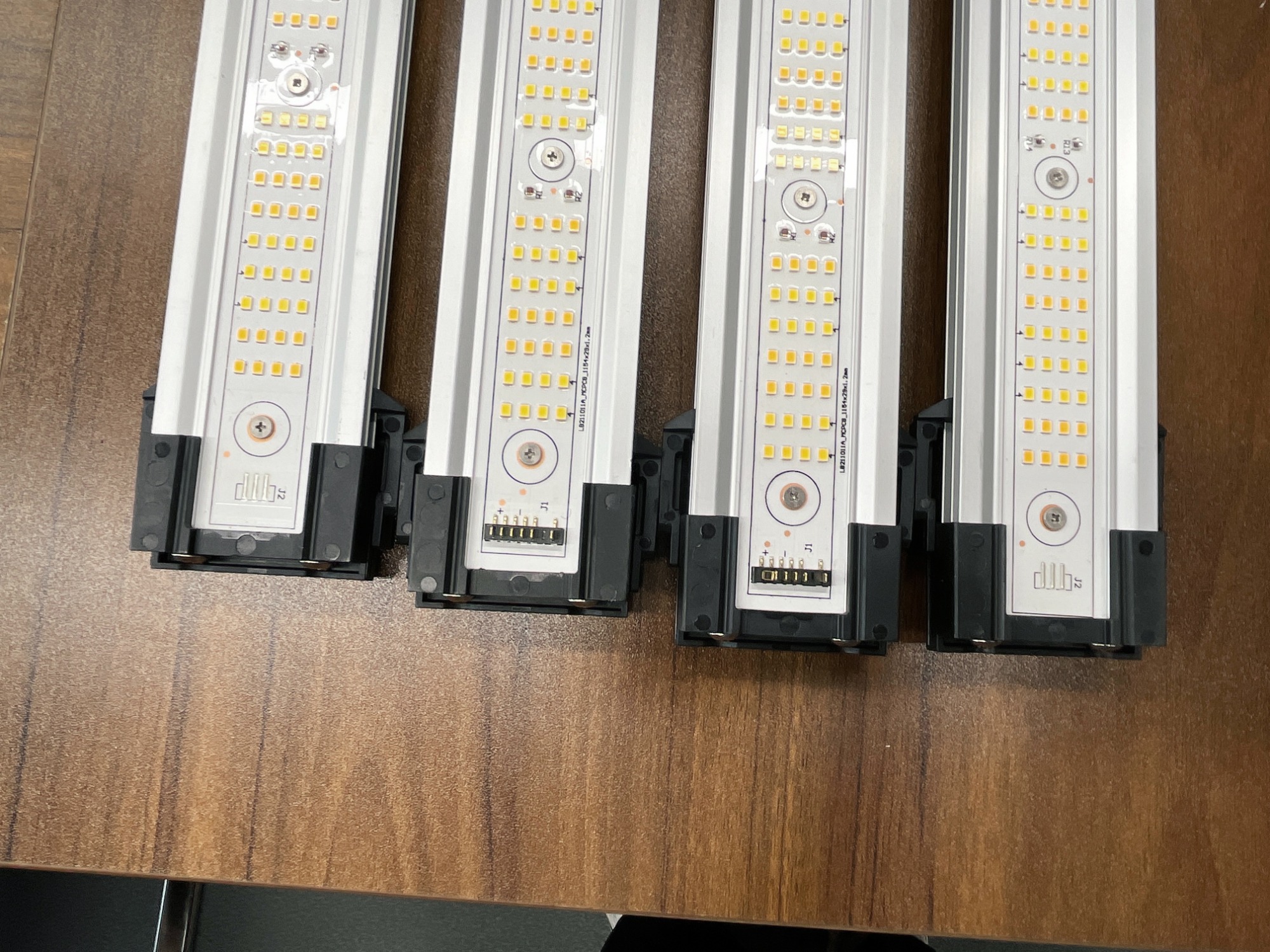
For products that meet the above conditions, the detachable plant light stand of Silicon Labs is very suitable for your needs. It uses one-piece molding technology, and the entire lamp is installed without tools. Moreover, the lamp beads are all high-quality lighting lamp beads, and the individual lamp tubes can be disassembled and replaced. If you want a lower cost, you can even match the power supply yourself and install it on our lamp holder.
Here are their links:LED plants Grow Light For Greenhouse
or you can contact sales now >>> contact us
 Can ordinary LED lights be used as plant lights?
 The development trend of LED plant lights
 LED Grow Light Market Prospects
 The effect of photosynthesis on plants

Mobile official website