The effect of light that plants "see" is different from that of the human eye. Our commonly used white light lamps are not able to replace the sun's light, such as the three primary color white light tubes widely used in Japan, etc. The use of these spectrums has a certain effect on the growth of plants, but the effect is not as good as the light source made by LED.

For the three-primary-color fluorescent tubes that have been widely used in the past few years, although white is synthesized, the red, green and blue spectrums are all discrete, and the width of the spectrum is very narrow, and the spectral intensity of the continuous part is relatively weak. At the same time, the power is still too large compared to LEDs, 1.5 to 3 times the energy consumption. The LED full spectrum designed for plant lighting optimizes the spectrum. Although the visual effect is still white light, it contains an important part of the light required for plant photosynthesis.
Photosynthesis flux density (PPFD) is an important parameter to measure the light intensity of plants. It can be represented by both light quantum and radiant energy. It refers to the effective radiant flux density of light in photosynthesis, which represents the total number of photons incident on plant leaves and stems in the wavelength range of 400-700 nm per unit time and unit area. The unit is μE·m-2·s-1 (μmol·m-2·s-1). Photosynthetically active radiation (PAR) refers to the total solar radiation with wavelengths in the range of 400-700 nm.

The light compensation saturation point of a plant, also known as the light compensation point, means that the PPFD needs to be higher than this point, and its photosynthesis can be greater than the respiration, and the growth of the plant is greater than the consumption, and the plant can grow. Different plants have different light compensation points, and it cannot be simply considered that a certain index is achieved. For example, PPFD is greater than 200 μmol·m-2·s-1.
The light intensity reflected by the illuminometer used in the past is brightness, but since the spectrum of plant growth changes depending on the height of the light source from the plant, the coverage of the light, and whether the light can pass through the leaves, etc., it is used as light when studying photosynthesis. Strong indicators are not accurate enough, and PAR is mostly used now.
Generally, the PPFD of positive plants > 50 μmol·m-2·s-1 can start the photosynthesis mechanism; while the PPFD of shade plants only needs 20 μmol·m-2·s-1. Therefore, when installing LED grow lights, you can install and set according to this reference value, choose the appropriate installation height, and achieve the ideal PPFD value and uniformity on the leaf surface.
Light formulation is a new concept recently proposed, which mainly includes three factors: light quality, light quantity and duration. Simply understood, light quality is the spectrum most suitable for plant photosynthesis; light quantity is the appropriate PPFD value and uniformity; duration is the cumulative value of irradiation and the ratio of day and night time. A study by Dutch agronomists found that plants use the ratio of infrared to red light to judge the change of day and night. At sunset, the ratio of infrared increases greatly, and plants respond quickly and go to sleep. Without this process, plants can take hours to complete the process.
In practical applications, it is necessary to accumulate experience through testing and select the best combination.
 Can ordinary LED lights be used as plant lights?
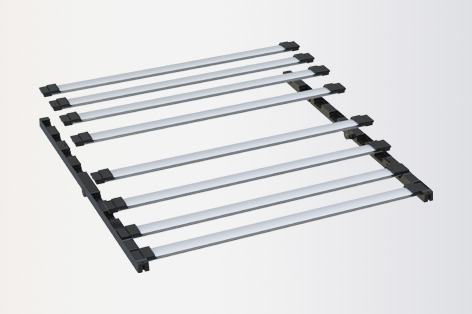 The development trend of LED plant lights
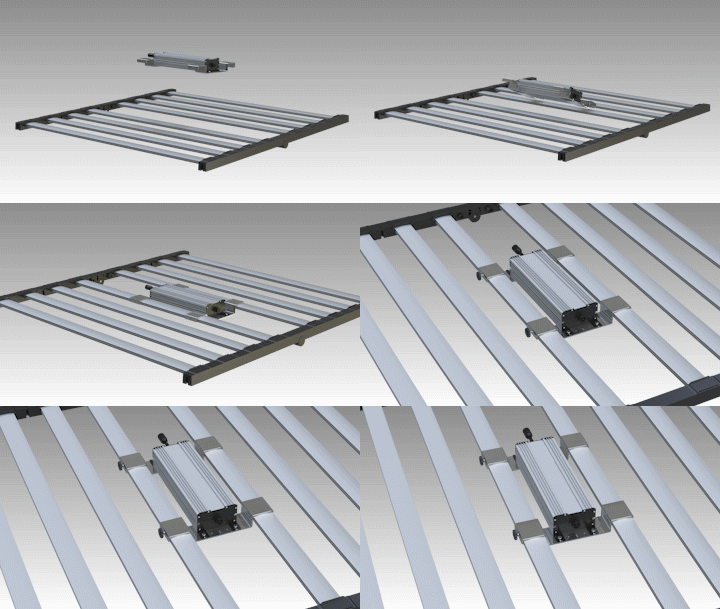 LED Grow Light Market Prospects
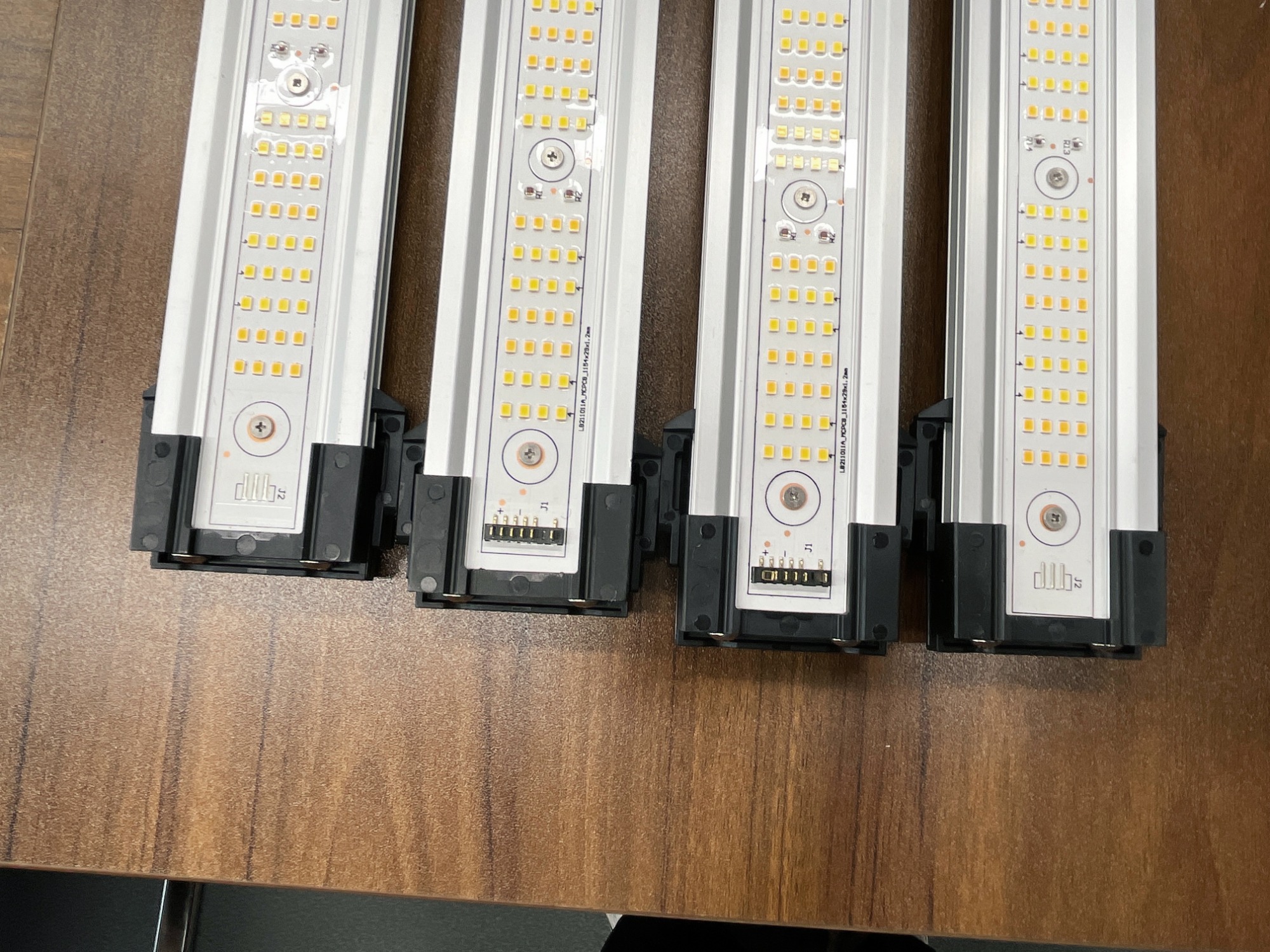 The effect of photosynthesis on plants

Mobile official website