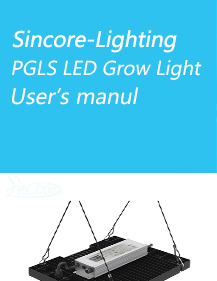
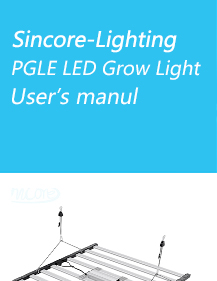
There are three main application scenarios of led grow light: ①LED Grow Light For Grow Tent; ②LED Grow Light For Grow Shelf; ③LED Grow Light For Greenhouse.
LED Grow Light For Grow Tent
LED Grow Light For Grow Shelf
LED Grow Light For Greenhouse
What type of light is best for plant growth? How Do Different Colors of Light Affect Plant Growth?
①Ultraviolet - No exposure produces better growth
②Violet - Enhances the color, taste, and aroma of plants
③Blue - Increases the growth rate of plants
④Green - Enhances chlorophyll production and is used as a pigment for proper plant viewing
⑤Yellow - Plants exhibit less growth compared to blue and red light
⑥Red - When combined with blue light it yields more leaves and crops, depending on what is being grown
⑦Far Red - Speeds up the Phytochrome conversion which reduces the time a plant takes to go into a night-time state. This allows the plant to produce a greater yield
Different Types Grow Lights to effect the Tomatoes Growth Indoor
Tomato grows lights (or plant grow lights) allow you to start seedlings and grow tomatoes indoors, even during the off-season or when temperatures are cold outside, especially in winter or rainy seasons.
Grow lights provide an electrical equivalent to sunlight
Each plant need darkness as well as light in order to grow best and healthy. Like a small baby to grow day by day.
Tomato grows lights systems have four main parts as follows:
①Stand type: the main structure from which grow lights are suspended and under which plants are set.
②Electrical ballast: the electrical component, connected to a cord, that controls the light current
③Lamp/Bulb: the type of bulb that gives off light
④Reflector: a shield that maximizes the light received by plants and controls heat produced by lamps
Many systems for the home gardeners/growers provide the ballast, lamp, and reflector together into a package, called a complete Grow Light Kit. (You can also purchase replacement lamps separately when need).
You simply need to make decisions: what type of lamp will best meet your needs and what kind of stand (structure) works for you.
If you want to be a good indoor grower, include growing tomatoes, plants and other indoor plants. First of all, you must have an in-depth understanding of plant growth lights, so that you can choose the most suitable grow lights to grow your plants. As we all know, after years of research and development, there are now five types of grow lights:
①Incandescent
②Fluorescent
③HID (high-intensity discharge)
④Ceramic Metal Halide lamp (CMH grow light)
⑤LED
What are the different types of grow lights?
High-intensity discharge (HID) grow lights are the brightest grow lights available. This type of grow light may be installed in any part of your house or greenhouse to either supplement existing light source or to serve as the sole source of light for your indoor plants.
HID grow lights work by passing electricity through a hermetically-sealed ceramic or glass tube that contains a mixture of gases. The gas blend determines the color of light given off by the lamp. HID grow lights are twice as efficient as fluorescent lamps. HID lights run on the regular 120-volt current at home. They require a special fixture that has ballasts.
HID lights are categorized as metal halide (MH) or high-pressure sodium (HPS) lights. MH lightbulbs emit cool, white light that is ideal for compact and leafy growth. HPS bulbs are used by growers who desire lots of bloom. The bulbs’ red/orange light distorts the colors of the plants they illuminate.
High-Intensity Fluorescent Grow Lights
High-intensity fluorescent grow lights resemble HID bulbs although they are less expensive. Growers can use in the same fixture either for a cool or warm bulb.
Fluorescent Grow Lights
If the grower’s goal is simply to supplement natural light, not replace it, fluorescent light is a good option. Fluorescent light tubes are the most cost-effective choice for growing indoor plants. However, the light produced by a fluorescent tube is less intense than other grow lights, giving growers a limited choice of plants to grow.
LED Grow Lights
Light-emitting diode grow lights are energy-efficient lights that may be the best option for indoor growers. Unlike other grow lights, LED lights do not burn a filament. Instead, it passes light through semiconductors to create a spectrum. LED grow lights may be used as the sole source of lighting in plant growing, as a natural light supplement, or paired with other types of grow lights.
The light emitted by LEDs is focused, with none dispersed or lost between the bulb and the plants’ canopy. The lifespan of LEDs is long, with bulbs lasting from 50,000 to 100, hours of continuous use. Most growers choose from 300w to 600w LED grow lights. Small plots or tents have 300W LED grow light installed. Larger tents may require one or more Mars Hydro 600W LED panels. Beginners with smaller tents are better off getting a 300w LED growlight, which can be augmented with more panels as needed.
 Can ordinary LED lights be used as plant lights?
 The development trend of LED plant lights
 LED Grow Light Market Prospects
 The effect of photosynthesis on plants

Mobile official website