Light is a key environmental factor for plant growth and development and agricultural production. Photosynthesis is the main factor for the inorganic and organic transformation of substances on the earth. The wavelengths in the range of 300mm to 800mm can be absorbed by green plant chlorophyll or photoreceptors. Not all wavelength ranges are suitable for light. The growth of plants is effective, which requires a full understanding of the spectral knowledge of LED grow lights.

Since the 1960s, the invention of red LEDs has provided tools for the study of plant light quality biology. The discovery of blue light in the 1990s promoted the study of light quality biology. Studies have confirmed that the importance of different light qualities in the photosynthetically active radiation spectrum for plant photosynthesis and morphogenesis is not equal. Among them, red light and blue light are the most important for plant photosynthesis, and the relative quantum efficiency of plant photosynthesis is higher. This difference in light quality efficiency provides a preliminary scientific basis for determining artificial light-cultivated plants with red and blue light quality as the core.
The technological breakthrough of artificial light plant production by using LED red and blue combined light instead of sunlight and traditional continuous spectrum light source provides a theoretical basis for LED artificial light plant plant cultivation. Plants can absorb and utilize a variety of light qualities in the continuous spectrum of sunlight, but they have specific spectral response curves. Generally, there are absorption peaks in the red and blue regions, with peaks at 660 m and 460 mm, respectively. Therefore, red and blue light are of great significance to the photosynthesis and photomorphogenesis of plants.

There are two ways to improve the efficiency of plant growth supplement lighting system. First, determine the spectral response curve of plant species and varieties, the ratio of red and blue light requirements, and the total amount of light and photoperiod required; second, provide artificial lighting systems according to plant light environment requirements. As a nutrient in the process of plant growth, light should not only ensure the healthy growth of plants, but also maximize the saving of lighting energy consumption and improve the efficiency of lighting systems.
 Can ordinary LED lights be used as plant lights?
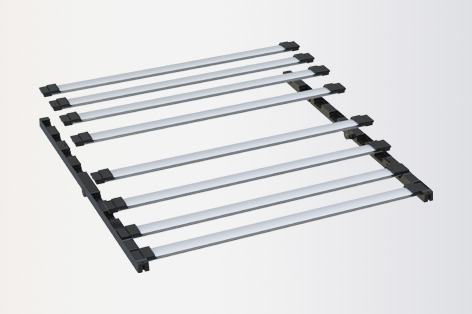 The development trend of LED plant lights
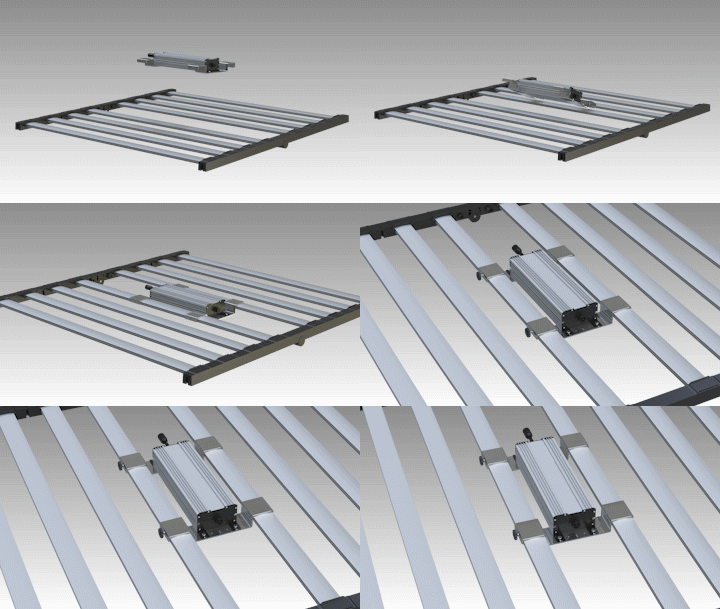 LED Grow Light Market Prospects
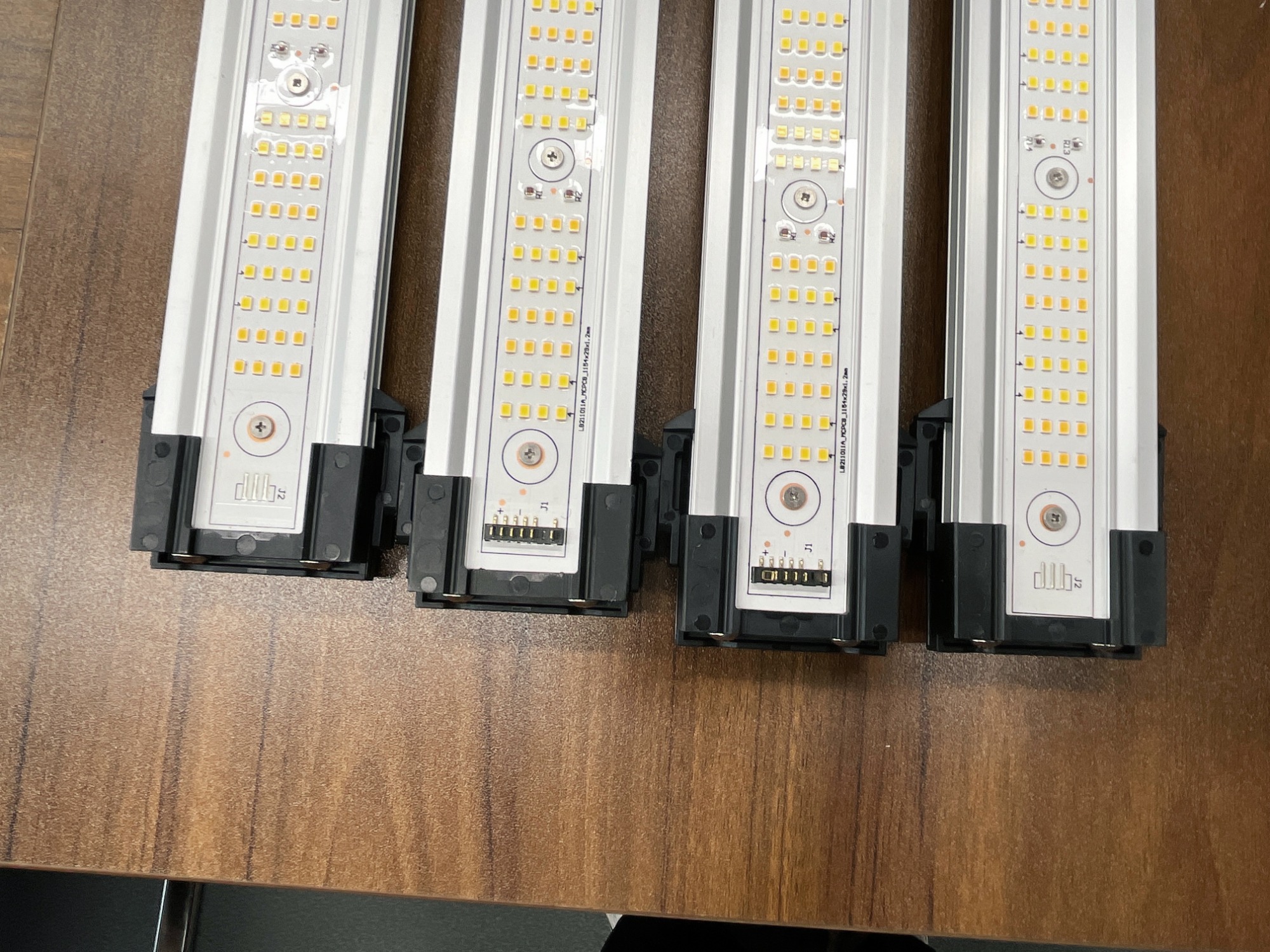 The effect of photosynthesis on plants

Mobile official website