LED lights: a new trend for indoor growers
The main selling point of LED lights is that they produce a powerful spectrum without generating a lot of heat. According to the LED plant growth lamp purchased and used by the user, it may not be necessary to invest in the purchase of a fan exhaust system (generally it is recommended to perform such an operation when planting in a closed environment, so that the plants have sufficient air circulation).
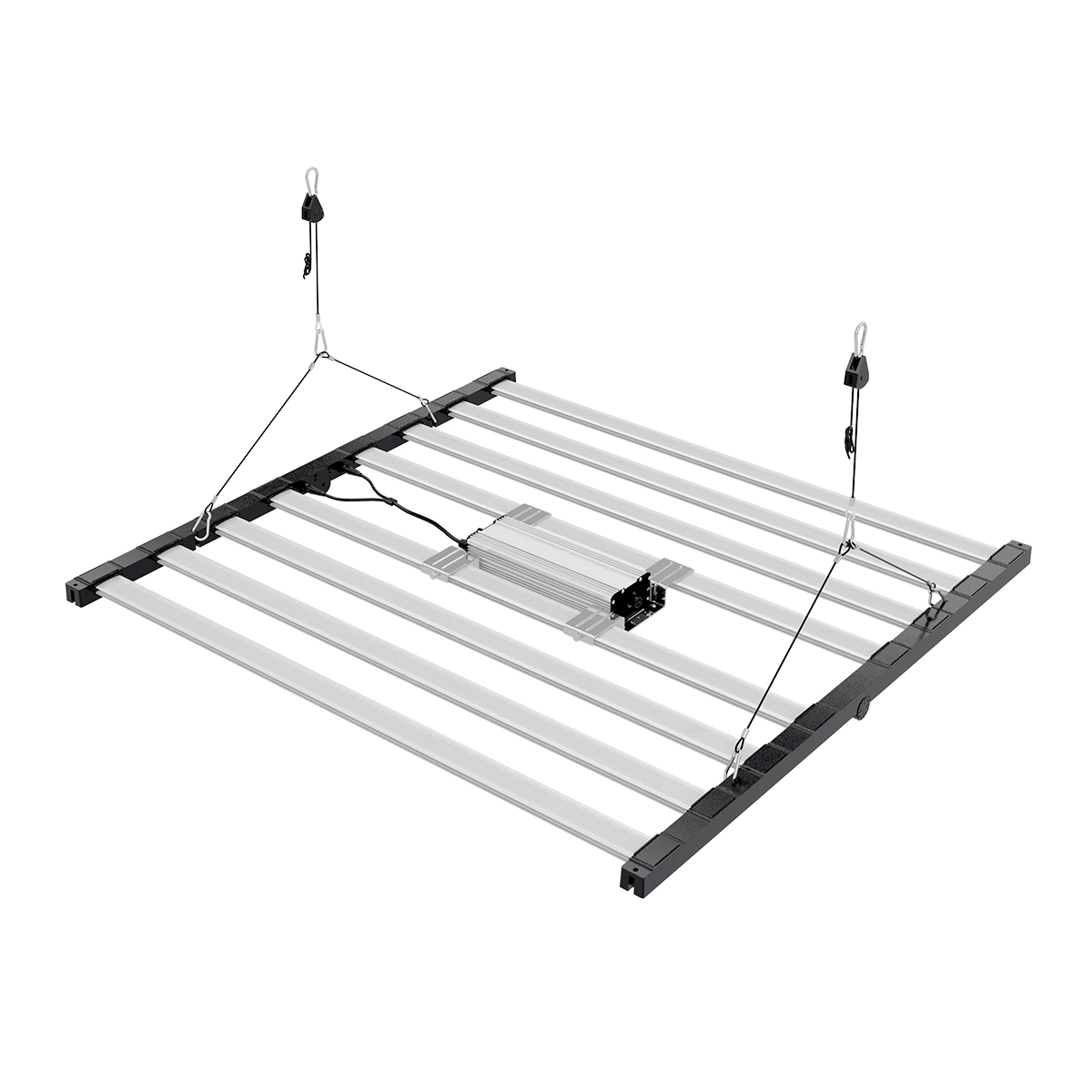
Another advantage of LED plant lights is that they are easy to set up. Usually, all the user has to do is to plug these lights into a power outlet, hang them above the plants, and then turn on the device.
However, unlike fluorescent lights, LED lights have a very strong effect on plant at close range. Therefore, when using LED plant lights, there needs to be enough distance to avoid damaging the plant leaves. How much distance needs to be reserved depends on the intensity (power) of the LED lights.
At present, the most common plant lights for growing plant are full spectrum, and the wavelength of the full spectrum is in the visible light range of 400 to 700 nanometers (nm), thereby driving plant photosynthesis.
What lights are not suitable for plant cultivation?
It is generally not recommended that users use ordinary lights to grow plant. Unlike many other plants, plant requires extremely high light to achieve its full growth potential. Because plant is a sun-friendly plant, the light intensity produced by some lamps cannot provide enough sunlight for plant.
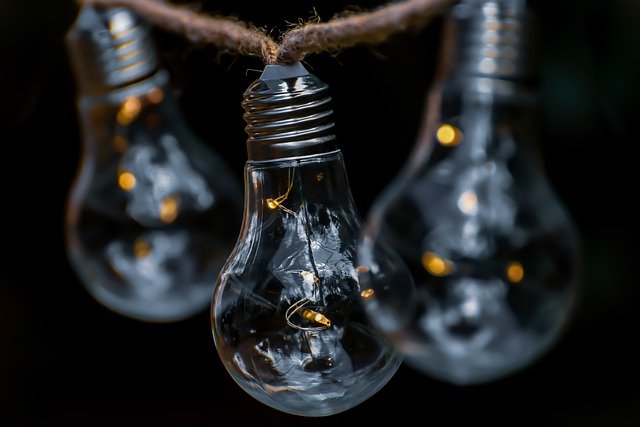
Incandescent bulbs are also not suitable for supplementing light for plant cultivation, because the light intensity is too low to meet the needs of light during plant growth.
When the heat is too high, "light burns" may occur. If left unresolved, mild burns may greatly reduce the potency and purity of the plant strain.
When the plant is too close to the light source, some users may notice that the plant's leaves turn unsightly yellow with brown or black edges. As the plant grows further, the top buds may become unhealthy white. Both of these are warning signs that plant is facing the problem of "mild burns."
For new home growers, it is often difficult to tell the difference between mild burns and nitrogen deficiency. Although these two conditions will cause the leaves to turn yellow, we can probably distinguish them in two simple ways.
First, mild burns usually affect the top of the plant plant, while nitrogen deficiency starts at the bottom. Secondly, the burned leaves are very brittle, but the nitrogen-deficient leaves generally appear drooping.
Usually, all you need to do to solve the light burn is to move the plant light farther away from the plant. If there is a problem of insufficient space in your growing area, you should use planting nets and other methods to prevent the plant from growing taller so as to distribute the light relatively evenly .
 Can ordinary LED lights be used as plant lights?
 The development trend of LED plant lights
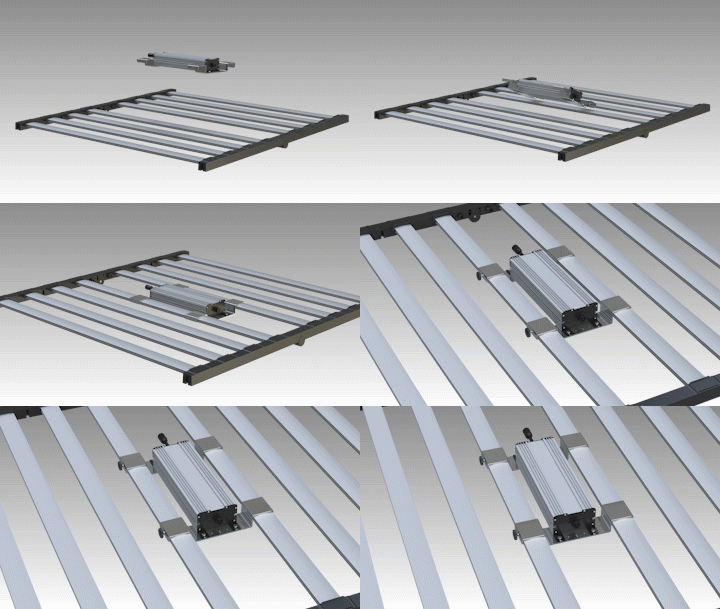 LED Grow Light Market Prospects
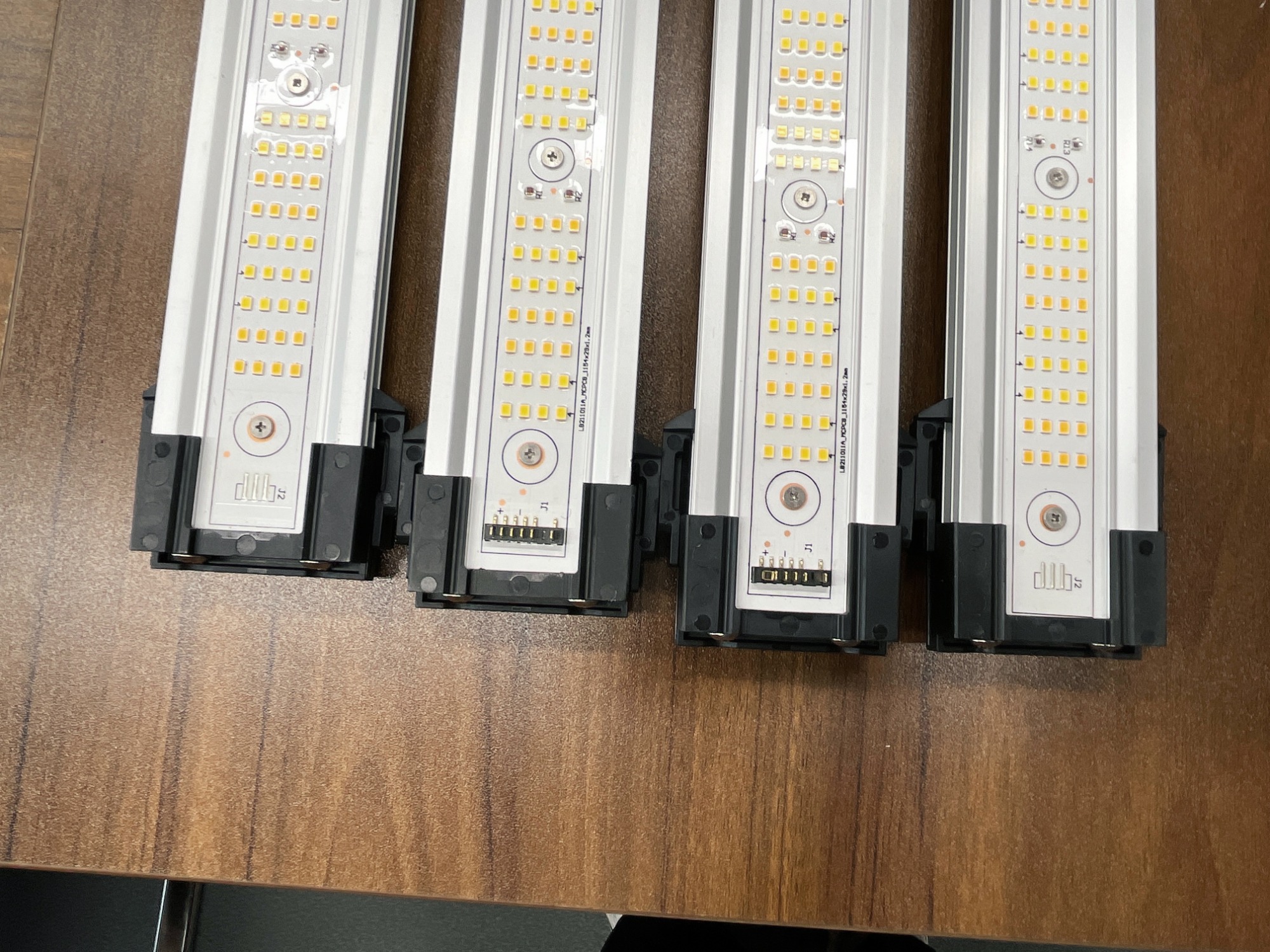 The effect of photosynthesis on plants

Mobile official website